
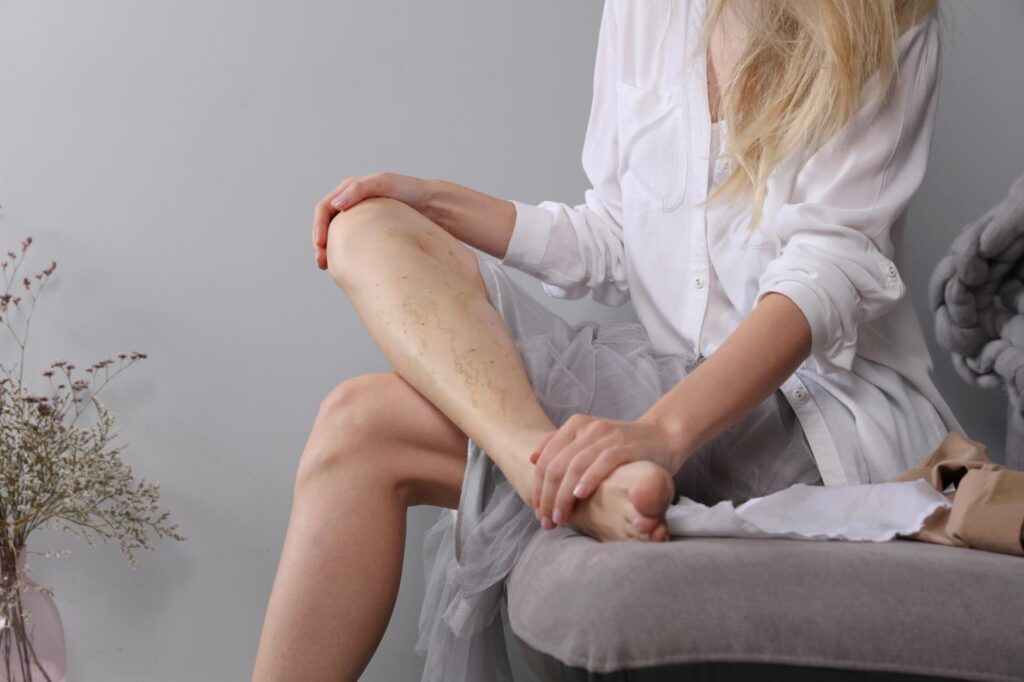
A little red line beside your nose can suddenly become the first thing you notice in the mirror. Or maybe a purple cluster on your calf keeps catching your eye. Spider veins are common, and they can become more noticeable with age. Targeted laser treatment can help soften their appearance.
Winter offers a useful opportunity to start that process, with time to plan before spring clothes and summer trips return. Continue reading to see how the season can work in your favor, what treatment involves, and how to build a realistic schedule.
Know Your Veins
Visible vessels may look similar, but their location and size help determine the right approach. A small red line across the cheek needs a different assessment from a bulging vein on the calf.
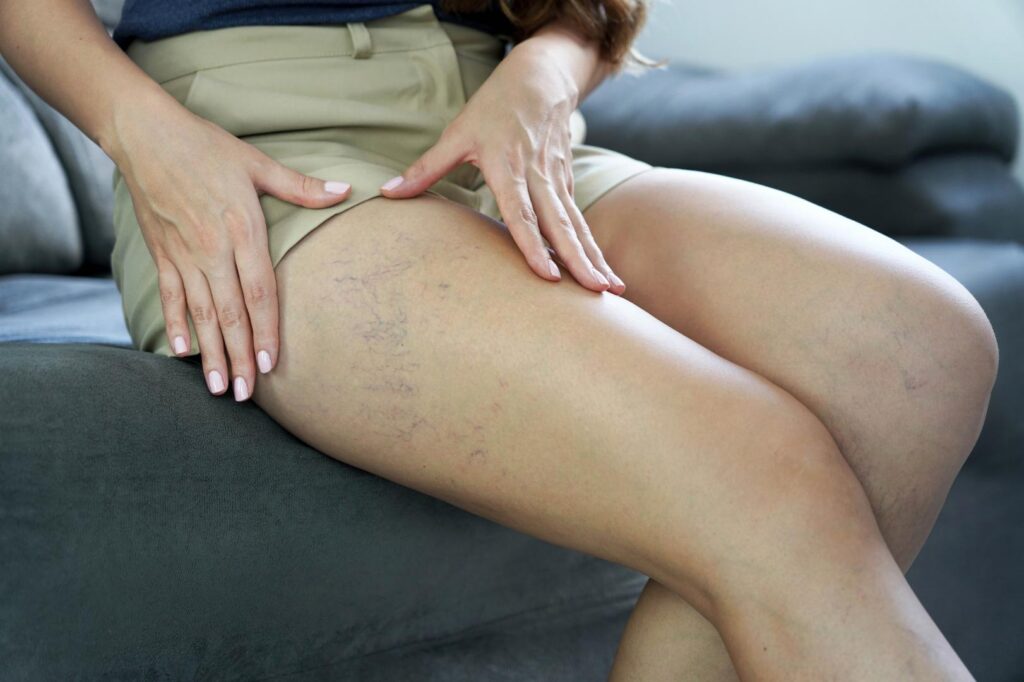
Fine facial vessels are often called broken capillaries, although they are usually enlarged rather than literally broken. Sun exposure and conditions such as rosacea can contribute to their appearance. On the legs, spider veins form delicate red, blue, or purple networks. Genetics, hormonal changes, and prolonged standing can also play a role.
A vascular lesion laser directs light energy toward targeted blood vessels. Heat can close treated vessels, which gradually become less visible as the body clears them. Luminescence Aesthetics MedSpa offers NeoSkin by Aerolase for suitable spider veins and vascular lesions. Its short pulses deliver energy beneath the skin without surgical incisions.
Choosing treatment begins with identifying the concern. Persistent facial flushing may need a broader rosacea plan, while larger or symptomatic leg veins may need assessment by a vein specialist.
Why Winter Works
The seasonal advantage comes from how treatment fits your life. Cold weather does not make lasers more effective or guarantee faster healing, but winter can make preparation and recovery easier to manage.
1. Sun Protection Gets Simpler
Protecting treated skin from ultraviolet exposure is an important part of laser aftercare. Winter often means fewer pool days and less exposed skin, which can make those instructions easier to follow.
Sun exposure around treatment can increase the chance of unwanted pigment changes. Tell your provider about recent tanning, self-tanner use, and upcoming travel. They can decide whether your skin is ready and explain the precautions for your particular treatment.
Of course, cloudy Buffalo skies do not cancel sunscreen. Snow reflects ultraviolet rays, and a ski weekend still counts as outdoor exposure. Use a broad-spectrum, water-resistant sunscreen with SPF 30 or higher on exposed skin, and reapply as directed when outdoors. Protective clothing and shade help, too. Winter gives you a convenient starting point, while daily habits do the protective work.
2. Your Wardrobe Helps
Long pants can make the recovery period feel a little more private. Temporary redness, bruising, or darker-looking vessels may be easier to live with when your usual outfit already covers the area.
Some patients also receive instructions to wear compression stockings after leg treatment. If your provider recommends them, cooler weather can make wearing them more comfortable. Ask about the correct fit, pressure, and duration. Ordinary tights and leggings are not interchangeable with prescribed compression.
That is one practical reason behind leg vein treatment in winter. You can work recovery clothing into your normal routine instead of planning outfits around it. Choose comfortable garments that do not rub irritated skin. For facial treatment, ask when makeup can be used again, especially if you have an event coming up.
3. Fading Has Room to Happen
The treatment appointment and the final result are separate milestones. Some small vessels respond quickly, while others fade gradually over the following weeks or months.
A treated vein can initially look darker before becoming less noticeable. Larger visible vessels may take longer to clear, and your provider should explain what changes are expected for your treatment area. Looking unchanged after a few days does not automatically mean the procedure failed.
Starting during winter gives that process more room before a spring wedding or warm-weather vacation. Bring the actual event date to your consultation. Your provider can help set a realistic goal and discuss whether your preferred deadline makes sense. Progress photos taken in consistent lighting can also be more helpful than checking the same spot every morning.
4. Follow-ups Feel Less Rushed
Several appointments may be needed to improve a network of visible vessels. A winter start leaves space for treatment, reassessment, and another session when appropriate.
For rosacea-related facial veins, treatments are often spaced several weeks apart. Leg veins may follow a different schedule based on their size, depth, and response. The right interval comes from your provider, so avoid assuming that every area follows the same package or calendar.
Think of January as an opportunity to begin a plan that may continue into spring. Booking earlier can help you coordinate appointments with work, travel, and childcare. Ask for an estimated number of visits and the likely overall cost before committing. Leave room for adjustments, since the response to the first session may change what happens next. You can also ask whether visits are priced individually or as a series. Understanding what is included helps you decide how treatment fits your budget, especially after holiday expenses.
5. Aftercare Fits Your Calendar
A quieter stretch of your schedule can be just as valuable as cooler temperatures. Choose dates when temporary activity changes will be manageable.
Luminescence’s vein aftercare guidance includes temporary limits on vigorous exercise and heat exposure. That makes your workout schedule, sauna visits, and long hot baths worth discussing beforehand. Ask exactly when you can return to each activity, since instructions depend on the treatment and your skin’s response.
If you are searching for the best time for vein treatment, look closely at your calendar as well as the season. The week before a beach trip may be inconvenient even if it falls in February. A winter appointment works best when you can follow the full recovery plan. You deserve a schedule that feels manageable from the first visit onward.
Facial skin deserves some extra winter consideration. Cold air and wind can trigger rosacea for some patients, so discuss ways to protect your face outdoors. A gentle skincare routine may help limit irritation between appointments. Ask which cleanser and moisturizer fit your aftercare instructions, and when to restart stronger skincare products.
Make the First Visit Count
A useful consultation connects the appearance of your veins with your health history and goals. Bring questions, a medication list, and any details about previous treatments. Bring your calendar so you can compare dates together.
When choosing a vein removal med spa, ask who performs your treatment and how they decide whether it suits you. Experience treating your skin tone matters. Discuss possible redness, swelling, pigment changes, and less common complications such as burns or scarring. Also ask whom to contact if recovery does not look as expected.
Your provider should know about easy bruising, light sensitivity, cold sores, and any medicines or supplements you take. Never stop a prescribed medicine on your own to prepare for a cosmetic appointment. Share what you hope to change, whether that is a small cluster beside the nose or several areas on the legs.
For leg veins, mention aching, heaviness, persistent swelling, or skin changes. Those symptoms may call for a medical evaluation before cosmetic treatment. Sclerotherapy, which uses an injected solution to close selected veins, is another established option for leg spider veins. Depending on your findings, a different treatment or referral may be more appropriate than laser.
New swelling, pain, or warmth in one leg needs prompt medical attention. Seek emergency care for chest pain or trouble breathing, whether or not leg symptoms are present.
Inside the Appointment
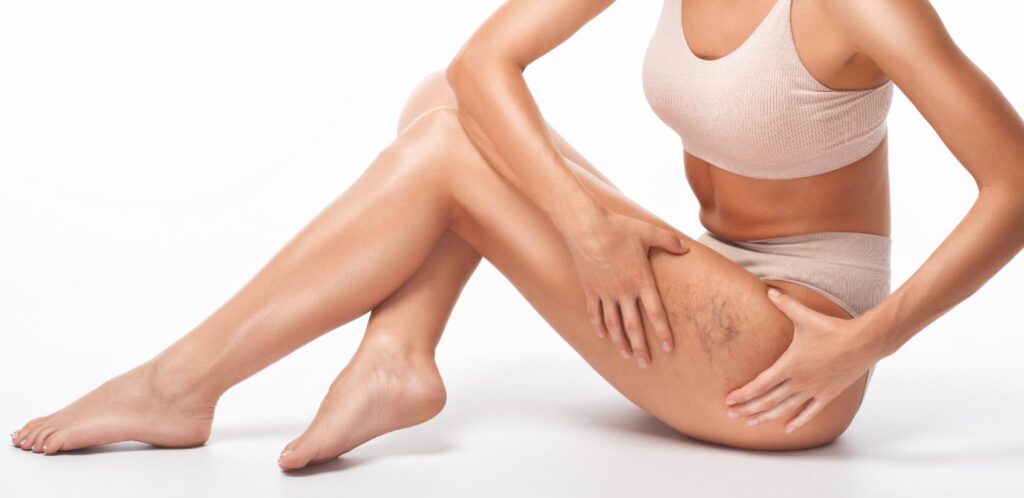
Knowing what the visit involves can make planning feel much simpler. Luminescence asks patients to arrive with clean skin and to bring shorts if their legs are being treated. That small detail makes it easier to reach the area while keeping the rest of you comfortable.
Your provider identifies the vessels to target and explains what sensations to expect. Laser pulses may feel warm or briefly uncomfortable, and you should speak up if something feels painful. The length of the appointment depends on the area being treated. Ask how much time to allow before returning to work or other commitments.
Before leaving, get your aftercare instructions in writing. Confirm how to care for the skin, which products to use, and what changes should prompt a call. Having that information handy is useful when a question comes up later. You can focus on following a clear plan instead of searching for conflicting advice online.
Start With Luminescence
Give your winter plans a little space for skin confidence. If you are considering spider vein treatment in Buffalo, Luminescence Aesthetics MedSpa can help you explore whether NeoSkin by Aerolase fits your concerns.
Book a consultation to discuss your facial or leg spider veins, review treatment expectations, and map out appointments around your plans. Our team can explain preparation and aftercare so you know what the process involves. A thoughtful winter start gives you time to make an informed choice.