
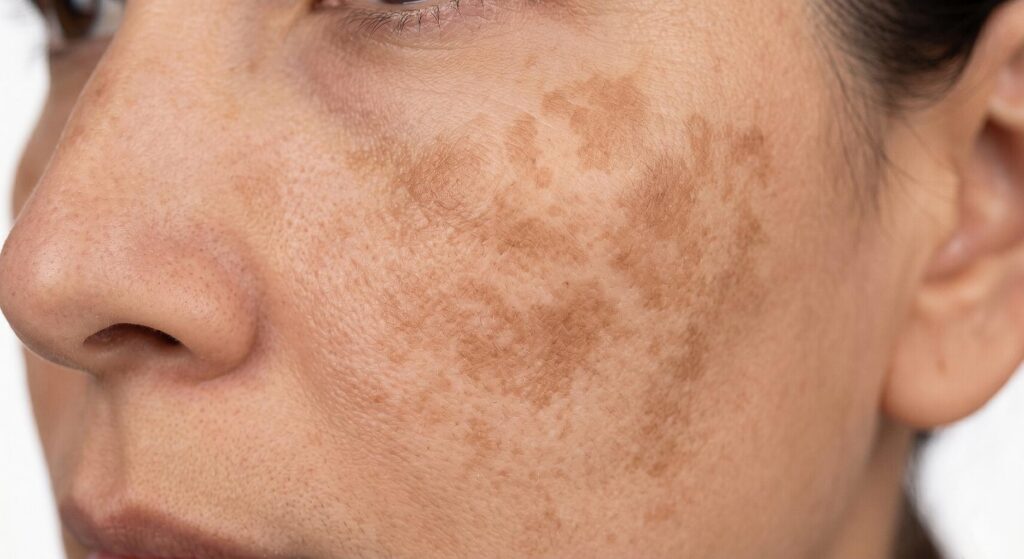
Few things are more frustrating than watching dark patches fade, only to notice them returning a few months later. You invest in skincare, follow a treatment plan, and finally see a more even complexion. Then, seemingly without warning, the discoloration reappears.
That’s the challenge with melasma. Unlike ordinary dark spots, this pigmentation condition is influenced by several factors, including sunlight, hormones, and skin sensitivity. Fortunately, professional treatments and consistent skincare can help manage its appearance, even when a permanent cure isn’t possible.
Understanding why melasma returns is the first step toward keeping it under control. Keep reading to discover the common misconceptions, recurring triggers, and treatment strategies that can make a meaningful difference.
6 Reasons Melasma Keeps Coming Back
Melasma is more complicated than a collection of dark spots on the skin’s surface. Its recurring nature becomes easier to understand when you look at the biological and environmental factors involved.
1. Melasma Isn’t Just Surface Pigmentation
One of the biggest misconceptions about melasma is that removing visible pigmentation means the condition has disappeared.
Melasma develops when pigment-producing cells, called melanocytes, become unusually active. These cells produce melanin, the pigment responsible for skin color. When melanin production becomes uneven, darker patches may develop across the cheeks, forehead, upper lip, and other facial areas.
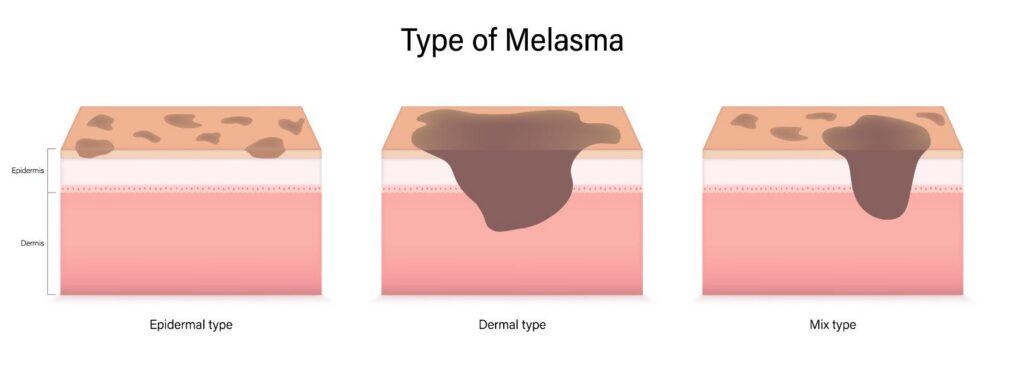
Some pigmentation may be concentrated in the epidermis, while other changes involve deeper skin structures. This helps explain why certain patches respond differently to treatment. A professional treatment may reduce visible discoloration without eliminating the skin’s underlying tendency to develop melasma.
That’s why successful melasma management focuses on maintaining improvement rather than expecting one procedure to permanently remove every patch.
2. Sunlight Can Reactivate Pigmentation
Sun exposure is one of the most significant factors behind recurring melasma. Even patients who carefully avoid sunburn may experience changes in pigmentation. Ultraviolet radiation stimulates melanocytes and can encourage additional melanin production. For skin already prone to melasma, this response may cause previously faded patches to darken again.
The challenge is that UV exposure happens during ordinary activities. Walking outdoors, commuting, or spending time near windows can contribute to cumulative exposure. Daily broad-spectrum sunscreen with SPF 30 or higher is therefore a central part of managing melasma.
Patients should apply an adequate amount and reapply as directed, especially during prolonged outdoor exposure. Wide-brimmed hats, shade, and other protective measures can provide additional support. The goal isn’t to avoid outdoor activities entirely. It’s to develop protective habits that reduce the likelihood of repeated pigmentation triggers.
3. Visible Light Matters Too
Sun protection involves more than blocking ultraviolet rays. Certain wavelengths of visible light can also contribute to pigmentation, particularly in patients with darker skin tones. High-energy visible light may stimulate pigmentation pathways associated with melasma. This helps explain why some patients continue experiencing discoloration despite using conventional sunscreen.
Tinted sunscreens containing iron oxides can provide additional protection against visible light. For many patients, these products are a useful addition to their daily routine. This distinction is particularly important for people dealing with stubborn dark patches that seem resistant to standard sun-protection habits.
Patients should also consider how consistently they use sunscreen. A high-quality formula offers limited benefit when applied only occasionally or in insufficient amounts. Protection works best when it becomes part of everyday skincare rather than something reserved for beach days.
4. Hormones Can Keep Melasma Active
Hormonal changes are another important piece of the melasma puzzle. Estrogen and progesterone can influence pigmentation, although the relationship is complex. Melasma frequently develops or becomes more noticeable during pregnancy. It may also be associated with hormonal contraceptives or other hormone-related changes.
This connection is why melasma is sometimes described as hormonal pigmentation. However, hormones aren’t the only explanation. Some patients develop melasma without an obvious hormonal trigger, while others notice improvement after a hormonal change.
Because the condition involves several interacting factors, adjusting hormones doesn’t guarantee that pigmentation will disappear. Patients who suspect a medication may be contributing should discuss their concerns with the prescribing clinician.
They shouldn’t discontinue contraception or other prescribed treatments solely to address pigmentation without medical guidance. Understanding these influences helps patients set realistic expectations about long-term care.
5. Heat May Contribute to Flare-Ups
Melasma doesn’t always respond well to excessive heat. Some patients notice worsening pigmentation after repeated exposure to high temperatures. Hot environments, intense sun exposure, and certain heat-producing procedures may aggravate the condition in susceptible individuals.
This doesn’t mean everyone with melasma must avoid exercise, warm weather, or every treatment that produces heat. Instead, it highlights the importance of recognizing individual triggers and selecting procedures carefully.
For example, an aggressive energy-based treatment may cause inflammation that ultimately makes pigmentation more noticeable. A cautious approach is particularly valuable when treating sensitive skin or patients with a history of post-inflammatory hyperpigmentation.
Rather than pursuing the strongest available treatment, the better strategy may involve controlled interventions that minimize unnecessary irritation.
6. Over-Exfoliation Can Make Things Worse
It’s understandable to think that removing more skin cells will make dark spots disappear faster. Unfortunately, aggressive exfoliation can sometimes produce the opposite result. Frequent use of strong acids, abrasive scrubs, and multiple active ingredients may disrupt the skin barrier.
When the skin becomes irritated, inflammation can contribute to additional pigmentation. This is especially concerning for patients whose skin is already prone to discoloration. Professional exfoliation can be useful, but the treatment’s strength and frequency must match the patient’s skin condition.
At-home products also require a thoughtful approach. Combining retinol, exfoliating acids, and other strong formulations without guidance can increase irritation. Patients often benefit more from a consistent, tolerable routine than from constantly introducing stronger products.
Healthy skin-barrier function supports treatment tolerance and makes long-term skincare easier to maintain.
How to Manage Melasma Effectively
Understanding why pigmentation returns is only half the conversation. The next step is choosing treatments that address visible discoloration while respecting the skin’s sensitivity.
Chemical Peels for Uneven Tone
Chemical peels use carefully selected exfoliating ingredients to remove damaged surface cells and encourage skin renewal. At Luminescence Aesthetics MedSpa, the VI Peel Precision Plus is offered as a medium-depth peel designed to address pigmentation concerns, including melasma and dark spots.
Professional chemical peels may help improve uneven tone in appropriately selected patients. However, deeper or more aggressive peels can also trigger inflammation and post-inflammatory pigmentation.
Treatment strength, skin type, and recovery requirements should therefore be considered before proceeding. Patients may need a series of treatments, followed by maintenance skincare, rather than relying on one peel for permanent results.
Microneedling for Skin Renewal
Microneedling creates controlled micro-injuries in the skin using fine needles. The procedure stimulates a healing response and is commonly used to address texture and other aesthetic concerns.
Some research has explored microneedling as an adjunct to topical melasma treatments. However, its effectiveness for melasma remains less established than standard topical therapies and sun protection.
Patients should also understand that excessive treatment intensity can provoke inflammation. The procedure is best considered after evaluating skin sensitivity, pigmentation history, and whether another treatment would be more appropriate.
LumiLuxe Serum Stamping
LumiLuxe Serum Stamping combines a microneedling-based approach with a brightening serum. The treatment is designed to support the delivery of selected topical ingredients while addressing concerns such as uneven tone and dark spots.
However, the benefits depend on the ingredients used, the treatment technique, and the patient’s skin condition. Not every serum is appropriate for application to freshly treated skin. Products used with microneedling should be selected carefully to minimize irritation and other complications.
Patients considering this approach should discuss the formulation, expected recovery, and evidence supporting its use for melasma.
NeoSkin Aerolase Laser
For certain patients, carefully selected laser treatment may be considered as part of a broader pigmentation plan. The NeoSkin Aerolase Laser is offered as an option for addressing discoloration and other skin concerns.
However, melasma responds unpredictably to energy-based procedures. A laser that works well for one patient’s pigmentation may not be suitable for another. A conservative treatment approach and ongoing sun protection remain important, even when initial results are encouraging.
Topical Brightening Products
Daily skincare remains one of the most important parts of melasma treatment. A thoughtful melasma skincare routine may include ingredients such as retinoids, vitamin C, hydroquinone when prescribed, or other pigmentation-focused products.
Luminescence Aesthetics MedSpa offers topical options, including VI Derm Retinoic Serum and Vitamin C Brightening Treatment. These products may complement professional procedures, but they should be introduced according to individual skin tolerance.
Patients should also know that some ingredients, including topical retinoids and hydroquinone, are generally avoided during pregnancy. For anyone exploring melasma treatment in Buffalo, combining professional assessment with consistent home care is often more practical than relying on a single procedure.

A Better Way Forward
Living with melasma doesn’t mean accepting recurring discoloration without exploring your options. With realistic expectations, appropriate treatments, and consistent daily protection, many patients can improve their skin’s appearance and manage future flare-ups.
At Luminescence Aesthetics MedSpa in Buffalo, NY, patients can explore personalized approaches to pigmentation concerns, from professional skincare to carefully selected aesthetic treatments.
Book a consultation to discuss your skin and develop a melasma management plan that supports lasting progress.