
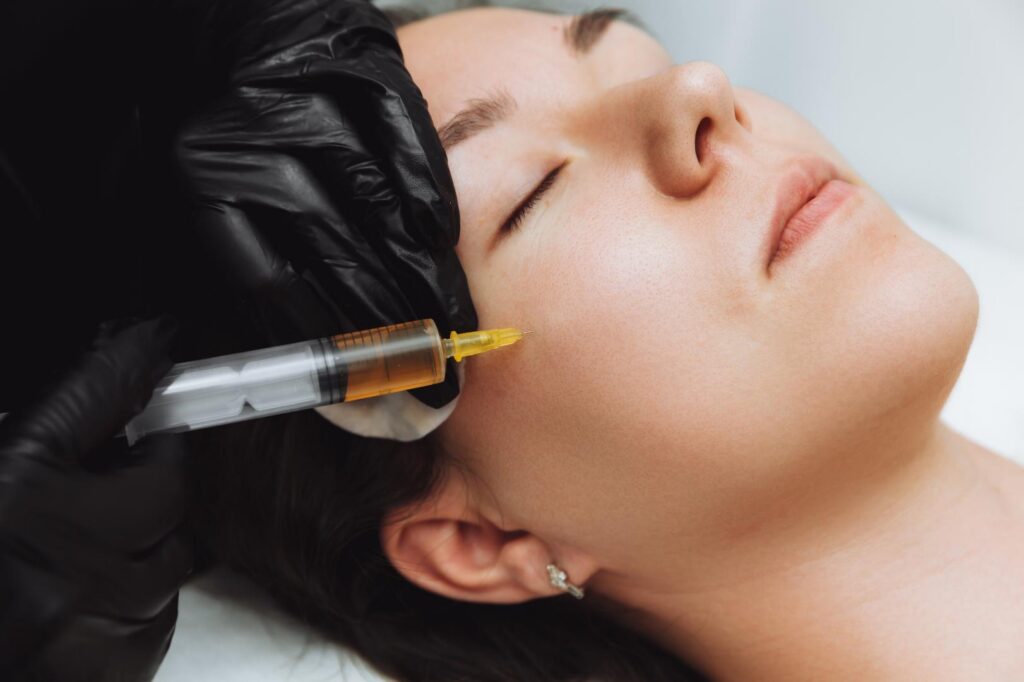
A youthful complexion isn’t necessarily about looking younger than your age. Sometimes, it’s simply about having skin that looks healthy, smooth, and refreshed. However, as collagen production naturally declines, fine lines, under-eye hollows, and changes in skin texture can become more noticeable.
That’s where platelet-rich fibrin (PRF) enters the conversation. This regenerative treatment uses components of your own blood to support the skin’s natural repair processes. Unlike treatments that immediately add synthetic volume, PRF takes a gradual approach to skin rejuvenation.
But how does it compare with platelet-rich plasma (PRP), and why does fibrin matter so much? Keep reading to discover what separates these treatments, how they work, and what patients should realistically expect.
7 Reasons Fibrin Makes PRF Different
Although PRF and PRP come from the same source, their preparation methods and biological characteristics aren’t identical. Understanding these differences can help patients make more informed decisions about regenerative aesthetic treatments.
1. PRF Contains a Natural Fibrin Network
The biggest difference between these treatments comes down to a protein your body already produces. Fibrin plays an important role in blood clotting and wound healing. When the body experiences an injury, fibrin forms a supportive network that helps stabilize the affected area while healing begins.
Platelet-rich fibrin uses this natural process to create a matrix containing platelets and other blood components. Rather than existing only as a concentrated liquid, PRF can develop a fibrin structure that holds these components together.
This network is what makes PRF particularly interesting in regenerative medicine. It provides a framework through which platelets and their associated growth factors may interact with surrounding tissue.
PRP, meanwhile, is generally prepared as a platelet-concentrated plasma product. Although PRP can also form fibrin under certain conditions, its preparation and resulting structure differ from those of PRF.
For patients comparing PRF vs. PRP, fibrin is therefore more than a technical detail. It helps explain why the treatments may behave differently after preparation and application.
2. Growth Factors May Be Released More Gradually
Growth factors are signaling proteins involved in the body’s natural tissue repair processes. They help coordinate cellular activity following injury and participate in processes associated with healing.
Both PRP and PRF contain platelets that can release these biological signals. However, the fibrin network in PRF may influence how those signals are released over time.
Laboratory studies suggest that some PRF preparations can provide a more gradual release of certain growth factors than conventional PRP preparations. This has encouraged interest in PRF for aesthetic and regenerative applications.
However, a slower release doesn’t automatically mean better clinical results. The biological behavior of these products varies according to how they’re prepared, and research hasn’t established that PRF consistently outperforms PRP for facial rejuvenation.
For patients, the important distinction is that PRF may provide a different delivery environment for naturally occurring growth factors. Its potential benefits remain an active area of research.
3. PRF Is Prepared Without Added Anticoagulants
One feature that distinguishes conventional PRF preparation is the absence of added anticoagulants. Anticoagulants are substances used to prevent blood from clotting during processing. Many PRP protocols use them to keep the collected blood in a liquid state while platelets are separated and concentrated.
Traditional PRF preparation generally avoids these additives. Instead, blood is collected and promptly processed under conditions that allow a natural fibrin network to form. This approach can appeal to patients interested in treatments that rely on their own biological materials. However, the absence of anticoagulants shouldn’t be interpreted as proof that PRF is universally safer or more effective.
Both procedures involve blood collection, specialized processing, and application or injection techniques that require appropriate infection-control practices. The treatment’s quality depends on more than its ingredients. Proper preparation, patient selection, and clinical technique all contribute to the overall experience.
4. PRF Uses More Than Platelets Alone
Platelets receive much of the attention in regenerative aesthetics, but they aren’t the only components involved. Depending on the preparation method, PRF may contain white blood cells and other cellular elements within its fibrin network. These components participate in biological processes associated with inflammation and tissue repair.
The presence of these cells is one reason researchers continue studying platelet-rich fibrin for different clinical applications. However, PRF isn’t a single standardized product. Differences in centrifugation speed, processing time, collection tubes, and preparation protocols can affect its composition.
That variability matters when evaluating claims about treatment results. Two products described as PRF may not have exactly the same biological characteristics. For patients, this highlights the importance of receiving treatment from a qualified professional who understands the preparation process. The method used can be just as relevant as the treatment’s name.
5. PRF May Support Gradual Skin Rejuvenation
Skin naturally changes as collagen production and tissue structure evolve with age. Fine lines, reduced elasticity, and uneven texture may gradually become more apparent. PRF is being studied for its potential to support biological processes associated with skin repair and collagen remodeling. Its platelet-derived components contain growth factors involved in cellular communication.
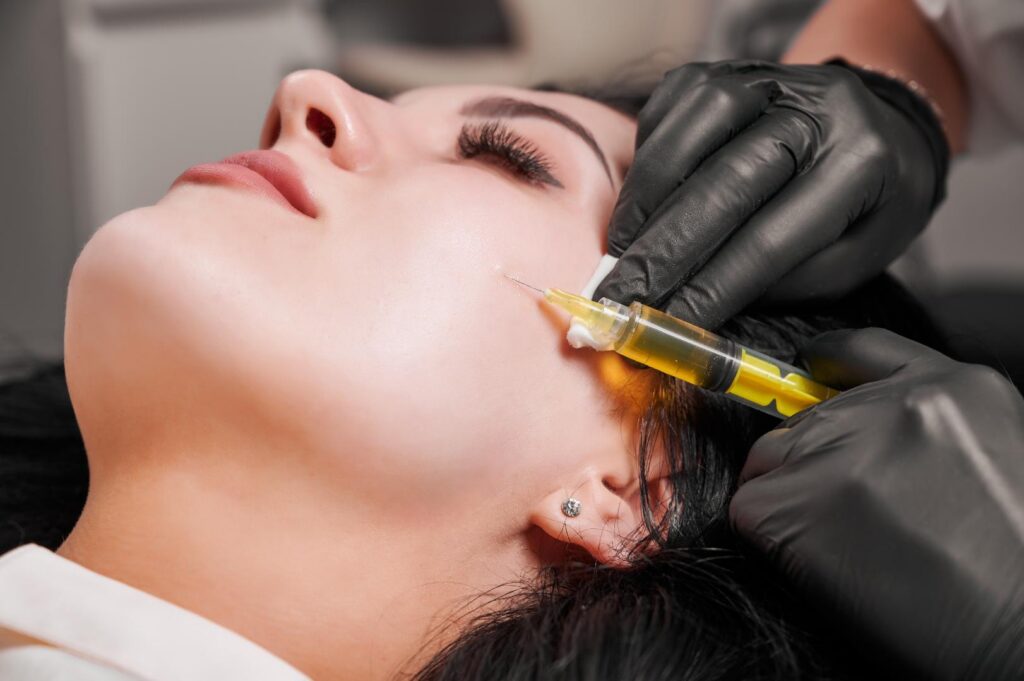
This has led to interest in PRF as a possible option for patients seeking subtle improvements rather than dramatic changes in facial appearance. A PRF facial may involve injecting a suitable liquid PRF preparation into selected areas or combining platelet-based treatment with another procedure, depending on the provider’s protocol.
However, patients should understand that evidence for cosmetic PRF applications remains limited. Small studies have reported encouraging findings, but larger, well-controlled clinical trials are needed to clarify effectiveness.
The idea of a natural collagen boost is appealing, but it shouldn’t be mistaken for a guaranteed increase in collagen or a predictable degree of skin tightening. Any improvement is likely to be gradual, and the extent of visible change can vary considerably.
6. Under-Eye Treatment Requires Special Care
The under-eye area is one of the first places where subtle changes in skin quality become noticeable. Thin skin, visible shadows, and fine lines can create a tired appearance even after a full night’s rest.
Some aesthetic practices offer PRF under eyes as an approach to improving the appearance of this delicate area. The goal is generally to support skin quality rather than immediately replace substantial lost volume. This makes PRF different from hyaluronic acid fillers, which are designed to add volume to selected facial areas.
However, not all under-eye concerns respond to the same treatment. Dark circles may result from pigmentation, visible blood vessels, facial anatomy, or shadows created by volume loss.
PRF isn’t proven to correct every cause of under-eye darkness or hollowing. Patients with pronounced hollows may need a different approach, while others may not be suitable candidates for injections in this region.
The under-eye area also requires careful anatomical assessment. Swelling, bruising, and other injection-related complications are possible. A thoughtful consultation should focus on identifying the cause of the concern before recommending treatment.
7. PRF May Have a Role in Hair Restoration
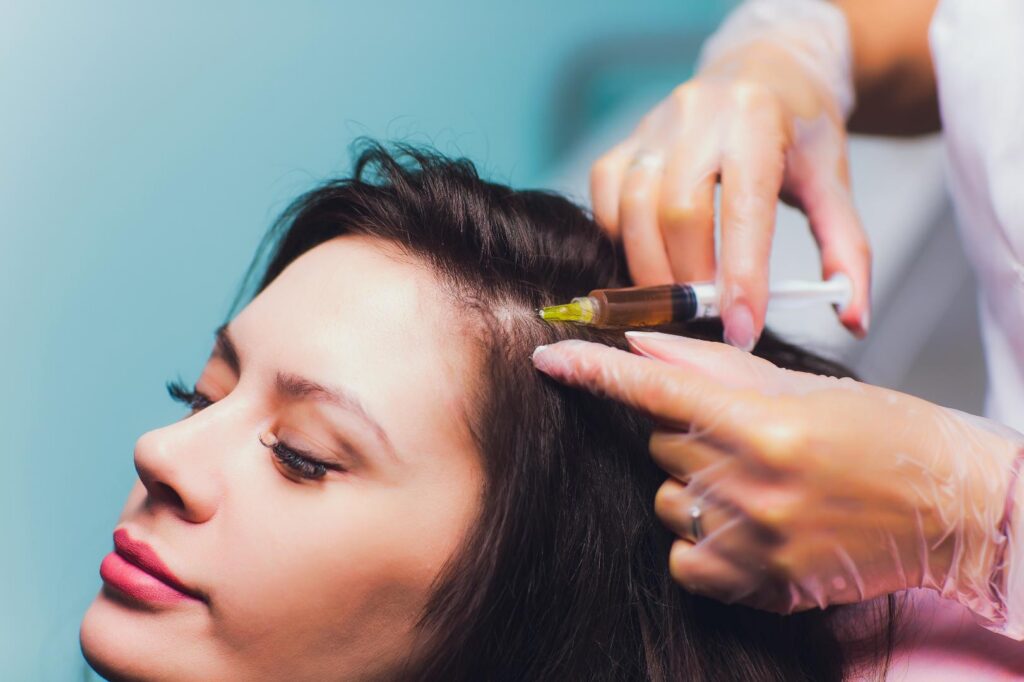
PRF isn’t limited to facial rejuvenation. Researchers have also explored platelet-based treatments for certain forms of hair thinning. Hair follicles depend on complex biological signals to move through their growth cycles. Growth factors released by platelets may influence some of these processes, which has encouraged interest in PRF for scalp treatments.
During a hair-focused procedure, a prepared platelet product may be injected into selected areas of the scalp. Treatment plans vary according to the patient’s condition and the provider’s approach.
Early studies suggest that PRF may have potential in some hair restoration settings. However, the evidence remains less established than for several conventional hair-loss treatments, and results aren’t guaranteed.
It’s also important to determine why hair thinning is occurring. Hormonal changes, nutritional deficiencies, medication effects, and certain medical conditions may require different forms of care.
PRF shouldn’t replace an appropriate diagnosis or proven treatment when one is indicated. For patients interested in both skin rejuvenation and hair restoration, PRF illustrates how one biological approach is being investigated across several areas of aesthetic medicine.
A More Thoughtful Approach to Rejuvenation
A refreshed appearance doesn’t always require dramatic changes. For some patients, the appeal of PRF lies in exploring a treatment that uses their own blood components while supporting a gradual approach to skin rejuvenation.
At Luminescence Aesthetics MedSpa in Buffalo, NY, patients can discuss PRF, their aesthetic concerns, and whether this approach aligns with their goals.
Schedule a consultation to explore your options and develop a personalized plan grounded in realistic expectations!